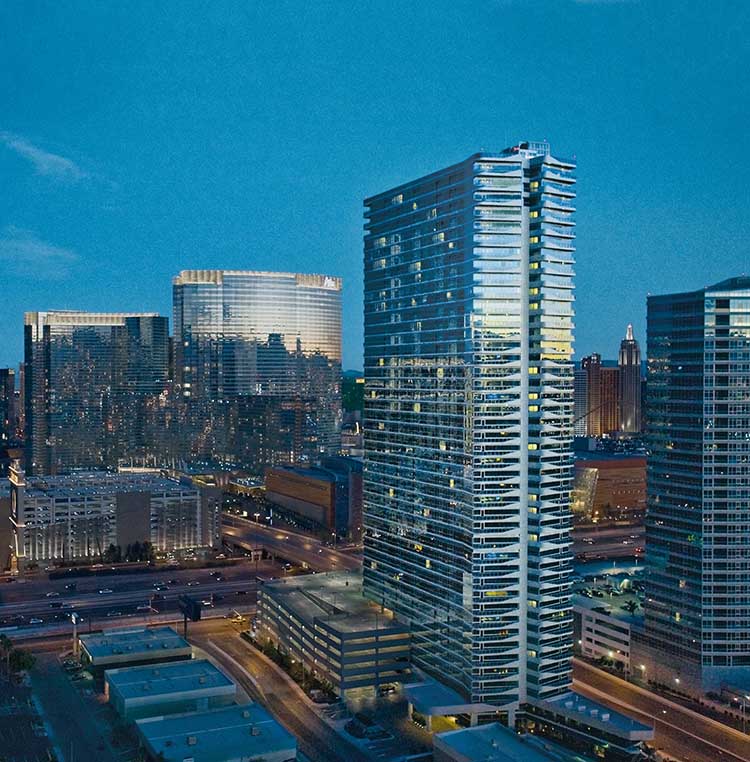
Why California investors choose Henderson
Henderson is not just a suburb of Las Vegas. It is the second-largest city in Nevada — a master-planned community with its own economic identity, corporate base, and demographic profile that is distinctly different from the broader Las Vegas metro.
For the California investor doing a 1031 exchange or making a first Nevada acquisition, Henderson represents the lowest-risk entry point in the Las Vegas metro. Higher household incomes, lower vacancy, A-rated schools, and a professional tenant base that mirrors what California investors are used to — without the California tax burden.
Henderson's median household income of $82,000+ is significantly above the Las Vegas metro average of $62,000. That income differential translates directly into rental demand for quality product and lower delinquency risk for multifamily owners.
The California comparison: A California investor paying 13.3% state income tax on rental income from a Los Angeles multifamily asset yielding 3.5% can move to a Henderson asset yielding 5.5–6.5% with zero Nevada state income tax. The after-tax yield improvement can exceed 3 percentage points — on the same capital.
Henderson vs Las Vegas metro — the numbers
Henderson consistently outperforms the broader Las Vegas metro on vacancy and income metrics, while trading at a moderate premium on price per unit. Here is how the submarkets compare:
| Metric | Henderson | Las Vegas metro | Los Angeles (CA) |
|---|---|---|---|
| Cap rate range | 5.0–6.5% | 5.2–7.4% | 3.5–4.5% |
| Avg price per unit | $158,000 | $148,000 | $320,000+ |
| Vacancy rate | 3.8% | 4.9% | 5.2% |
| Avg monthly rent | $1,620 | $1,465 | $2,100+ |
| Median HH income | $82,000+ | $62,000 | $75,000 |
| State income tax | 0% | 0% | 13.3% |
| Population growth YOY | 3.1% | 2.8% | -0.3% |
Source: CoStar · Nevada State Demographer · Census ACS 2025 · Jason Helliwell market analysis · Q2 2026
Henderson micro-markets — where to invest
Henderson is not a single market. It has distinct micro-markets with different investment profiles. Here is how they break down for multifamily investors:
The Henderson investment thesis for 2026
Henderson multifamily sits in a specific position in the market cycle that creates a clear investment thesis for 2026. Here are the three most compelling reasons to buy here this year:
1. Supply constraint creates pricing power
Unlike downtown Las Vegas where 3,700+ new units are entering the pipeline, Henderson's established master-planned character limits new construction significantly. Zoning restrictions, land costs, and development impact fees make new multifamily development expensive. Existing owners benefit from structural supply constraints that support rent growth.
2. Corporate relocation driving tenant demand
Henderson has attracted significant corporate investment — including the Raiders headquarters, multiple Fortune 500 regional offices, and a growing tech and finance presence. These corporate relocations bring higher-income employees who rent quality multifamily before buying. That pipeline of professional renters directly supports Henderson multifamily demand.
3. The 1031 exchange sweet spot
California investors exchanging out of appreciated Southern California assets need a market that feels familiar — quality product, professional tenants, walkable amenities, and stable cash flow. Henderson delivers all of this. For a California investor who has never owned in Nevada, Henderson is the lowest-friction entry point in the Las Vegas metro.
Jason's view: Henderson is where I direct California investors who want Nevada exposure without the learning curve. The tenant quality is similar to what they are used to, the vacancy risk is minimal, and the after-tax yield improvement over California is immediate and significant. For a 1031 investor with $2M–$10M in equity, Henderson multifamily at 5.5–6.5% cap rates is a compelling reinvestment destination.
The Henderson rent gap — hidden value for buyers
Henderson's older multifamily stock — built primarily between 1980 and 2005 along the Boulder Highway corridor and in established Green Valley — frequently carries below-market rents from long-term tenants. The gap between in-place rents and market rents in these assets creates genuine value-add upside that sophisticated buyers understand how to price and capture.
At a Henderson cap rate of 6.0%, a $200 monthly rent gap across 10 units — $24,000 in additional annual income — translates to $400,000 in additional property value. That upside is documented, predictable, and achievable through natural turnover without displacing tenants.
Use the free rent gap calculator to model the value-add upside in any Henderson property you are considering.
Frequently asked questions — Henderson multifamily
Looking for Henderson multifamily to buy?
Jason has both listed and off-market Henderson multifamily available for qualified buyers and 1031 exchange investors. Register your criteria and get matched to deals.
Looking for Henderson multifamily investment?
Jason has both listed and off-market Henderson multifamily available for qualified investors. Free confidential consultation — no obligation.