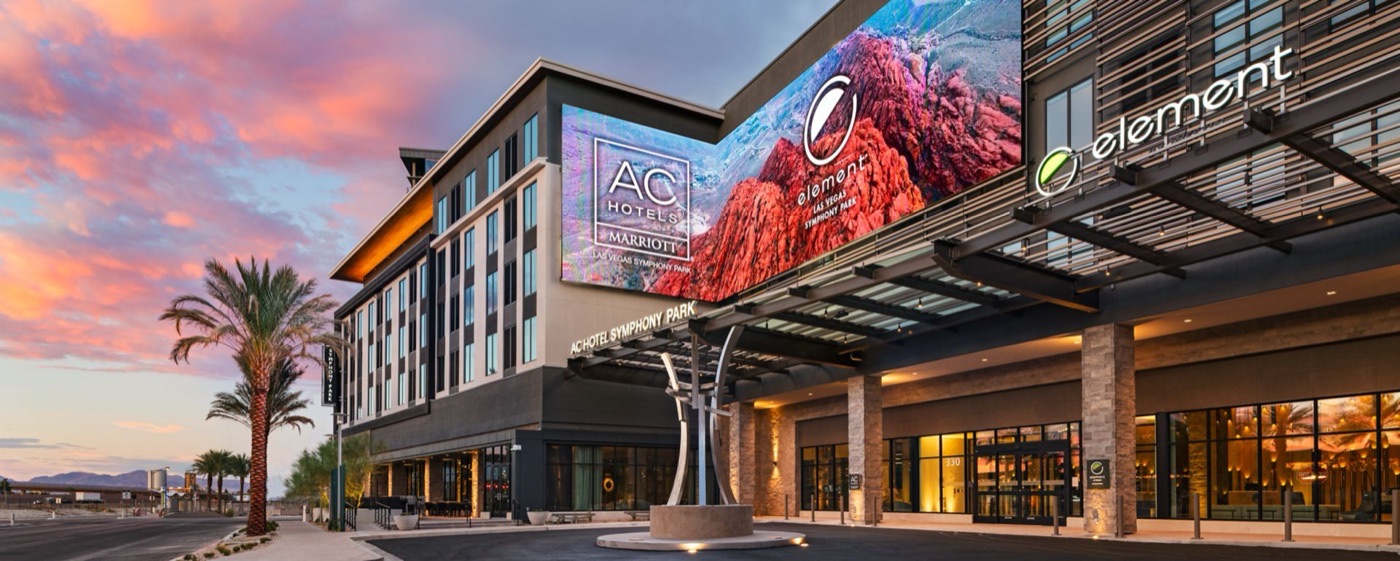
Downtown Las Vegas is not the Las Vegas most investors think about when they hear multifamily. That is exactly why the opportunity exists. While capital chases Henderson and Summerlin, downtown is undergoing a genuine structural transformation — and the investors who understand it earliest will capture the best basis.
The Downtown Transformation — What Is Actually Happening
The City of Las Vegas has designated nearly 3,948 acres of the greater downtown area as a Redevelopment Area — one of two such designated zones in the city. This is not a marketing tagline. It is a formal commitment of public resources, tax incentives, and infrastructure investment into the urban core that directly supports private real estate development.
The results are visible on the ground. Downtown Las Vegas including Midtown is going through a transformation and is finally coming of age to be the place for those who look to live in a city environment — those are the words of a developer actively building there, not a tourism campaign. The Arts District revitalization continues to push south along Main Street, connecting the Arts District to Downtown Las Vegas, with an influx of new restaurants, microbreweries, and co-working spaces.
For multifamily investors, the question is not whether downtown Las Vegas is changing — it clearly is. The question is whether the investment fundamentals support buying now, and in which specific micro-locations.
The investor thesis: Downtown Las Vegas is a higher-risk, higher-reward multifamily market. The upside is appreciation as urban revitalisation continues. The income is supported by a diverse and growing tenant base. The risk is that urban transformation takes longer and costs more than projected — as it does in every city. Investors need to buy the right asset in the right pocket at the right basis.
The Four Downtown Micro-Markets
Downtown Las Vegas is not one market — it is four distinct micro-markets with different risk profiles, tenant bases, and investment characteristics.
Arts District
Main Street corridor expanding south. New restaurants, co-working, artist lofts and modern apartments. Young professional and creative tenant base. Highest appreciation potential in the downtown core.
Fremont East
Established entertainment corridor. Strong foot traffic, hospitality worker demand, proximity to Container Park and The Mob Museum. Consistent occupancy from Strip-adjacent workers.
Medical District
UNLV Kerkorian School of Medicine now open. New medical office development underway. Healthcare worker and medical student demand growing. Most recession-resistant tenant base in downtown.
Historic Westside
New workforce housing coming online with rent caps. Lower entry price point, higher social impact. Development-driven opportunity rather than organic market appreciation.
The Development Pipeline — What Is Being Built
The downtown Las Vegas multifamily pipeline in 2026 is the largest it has been in a generation. Understanding what is being built — and where — is essential for existing property owners and buyers alike, because new supply directly affects rents and occupancy in adjacent properties.
| Project | Units | Target tenant | Status |
|---|---|---|---|
| Ilumina Midtown | TBC | High-income renters near downtown | Expected 2026 |
| shareDOWNTOWN (Historic Westside) | 104 | Workforce housing, rent-capped | Opening 2026 |
| Z Life Co. Midtown | 3,000 | Mixed income, urban living | In pipeline |
| Southern Land Co. | 337 | Arts District and nearby | In pipeline |
| CEDARst | 311 | Urban professional | In pipeline |
What this means for existing owners: Over 3,700 new units in the downtown pipeline will create competitive pressure on Class B and C properties that do not differentiate. Owners of older downtown stock need to assess their rent gap, upgrade amenities, and position clearly against the incoming supply — or sell into the current buyer demand before the new product arrives.
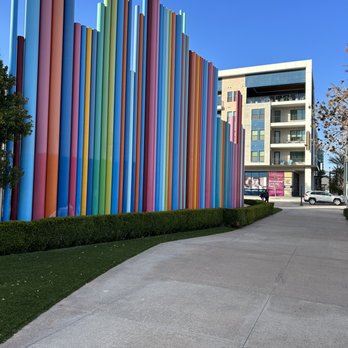
Downtown Las Vegas is undergoing its most significant urban transformation in decades — driven by public investment, private development, and demographic change
Who Rents in Downtown Las Vegas
Downtown Las Vegas has one of the most diverse tenant mixes of any submarket in Southern Nevada — and that diversity is a strength, not a risk. Unlike Summerlin which relies heavily on affluent families or North Las Vegas which is driven by workforce employment, downtown draws from four distinct tenant pools that partially offset each other through economic cycles.
Young professionals
Seeking walkable urban living near Fremont East, the Arts District, and Main Street amenities. Value proximity and lifestyle over space.
Healthcare workers
UNLV Kerkorian School of Medicine and the Las Vegas Medical District expansion is creating sustained, recession-resistant healthcare employment in the submarket.
Creative industry
Artists, designers, and creative professionals drawn to the Arts District cultural scene, studios, and co-working spaces along Main Street.
Strip hospitality workers
Downtown's proximity to the Strip makes it a practical choice for hospitality and entertainment workers seeking affordable, well-located housing.
Why tenant diversity matters: When tourism slows — as it did in 2025 — hospitality worker demand softens. But healthcare worker and young professional demand held firm in downtown. Properties with a diverse tenant mix absorbed the tourism slowdown better than single-industry dependent submarkets.
The Investment Thesis — Who Should Buy Downtown
Downtown Las Vegas is not the right market for every investor. Being honest about that is important.
Downtown is right for you if:
You have a value-add thesis and can buy older stock at a discount to replacement cost, renovate, and reposition against the incoming Class A supply. You have a longer hold horizon — 5 to 10 years — to capture the appreciation as urban revitalisation continues. You understand that location within downtown matters enormously — a property on the Main Street Arts District corridor is a fundamentally different investment than one three blocks east.
Downtown is not right for you if:
You want immediate cash flow without renovation work. You need short-term liquidity — downtown assets can take longer to sell than Henderson or Summerlin properties. You are not comfortable with urban market complexity — tenant screening, management intensity, and regulatory environment are all more demanding than suburban multifamily.
Jason's take: The best downtown Las Vegas multifamily opportunities right now are properties within two blocks of the Main Street Arts District corridor or adjacent to the Medical District — bought at a basis that reflects today's income rather than tomorrow's promise. The transformation is real, but you should not pay for it before it has happened.
Rents and Returns — What the Numbers Look Like
Real estate analysts have noted the pipeline for multifamily construction in the Las Vegas Valley has dried up significantly due to construction costs, financing costs and increased interest rates, with many predicting rental increases in 2026 and beyond. Downtown specifically is positioned to benefit from this constrained pipeline relative to demand.
Occupancy rates across the Las Vegas Valley are averaging between 93 and 95 percent, with absorption remaining healthy due to continued population growth and job creation. Downtown properties that are well-managed and correctly priced are achieving occupancies at or above this level.
Cap rates on downtown Las Vegas multifamily in 2026 vary significantly by property class and location. Value-add opportunities — older stock with below-market rents — are trading at 6.5–8% going-in cap rates, reflecting the renovation risk and management intensity. Stabilised, renovated downtown properties are trading closer to 5.5–6.5%.
The rent growth case: Many analysts are predicting rental increases in 2026 and beyond as the multifamily construction pipeline has dried up significantly. For downtown Las Vegas — where the new supply pipeline is concentrated in Class A product — older well-located properties with value-add potential stand to benefit most from rent recovery as the market tightens.
Frequently Asked Questions
Interested in Downtown Las Vegas multifamily?
Jason has current Downtown and Arts District multifamily available for investors looking to buy ahead of the supply pipeline. Register as a qualified buyer for off-market access.
Own downtown Las Vegas multifamily?
Get a free analysis of your property's current value, rent gap opportunity, and whether now is the right time to sell, hold, or refinance — before the new supply arrives.